Jiu-Jitsu
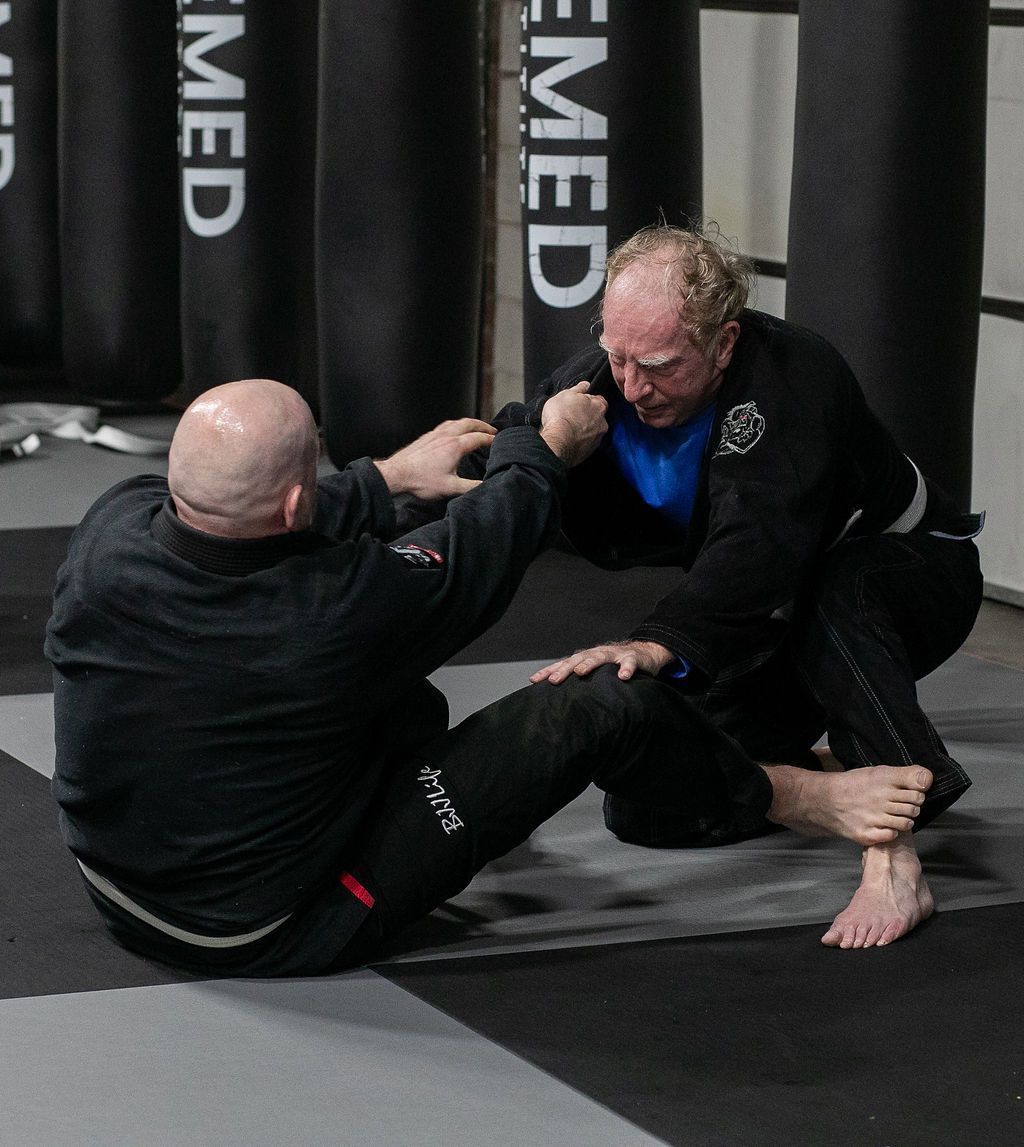
Beginner Brazilian Jiu-Jitsu Classes in Sparks Glencoe for individuals learning fundamental positions, movements, and self-defense techniques in a welcoming training environment
Foundational Skills Built at a Comfortable Pace
Starting Brazilian Jiu-Jitsu feels overwhelming because the positions, terminology, and movements are completely foreign to anyone who hasn't grappled before. You learn fundamental positions like guard, mount, side control, and back control before attempting submissions or advanced transitions. Ground Control Hunt Valley integrates beginners into classes with advanced practitioners, which means you see techniques demonstrated at full speed before drilling them slowly with a partner who matches your experience level. This structure builds your skill foundation while showing you what's possible as you progress through the belt ranks.
Training focuses on practical self-defense skills that work when size and strength differences favor your opponent. You learn how to escape from underneath a larger attacker, how to control someone from top positions, and how to apply submissions that end confrontations without striking. The techniques develop your strength, mobility, and endurance gradually because each class includes drilling, positional sparring, and controlled live rolling that challenges your cardiovascular system.
Schedule an introductory class to learn the basic positions and movements that form the foundation of Brazilian Jiu-Jitsu.
What Proper Fundamental Training Requires
Instructors break down each technique into individual steps, explaining where your hands grip, how your hips move, and what angle your body needs to maintain for the technique to work. You drill the same movements repeatedly until muscle memory takes over, which typically happens after several weeks of consistent training. Beginners often focus too much on strength and not enough on leverage, trying to force techniques instead of using proper mechanics to make them effortless.
After a few months of training, you notice how much easier it becomes to stay calm when someone pins you in an uncomfortable position. Your breathing stays controlled, and you remember the escape sequences you've drilled instead of panicking and exhausting yourself trying to explode out. Your flexibility improves because grappling requires hip mobility and shoulder range of motion that most people don't develop through other activities. Techniques that felt awkward and unnatural during your first week become automatic responses that happen without conscious thought.
Belt progression starts at white belt and requires demonstrated proficiency in fundamental escapes, basic submissions, and positional control before advancing. The timeline varies based on training frequency and natural aptitude, but most beginners spend one to two years developing the skills required for blue belt promotion.
Ground Control Hunt Valley accepts beginners at all fitness levels and provides instruction designed to build practical self-defense skills at a pace that matches your learning curve. Contact the academy to start developing foundational Brazilian Jiu-Jitsu technique in a supportive training environment.
Answers to Frequent Beginner Questions
Classes in Sparks Glencoe welcome individuals with no prior martial arts experience, and instructors adjust the pace to match your current fitness level and technical understanding.
What should I expect during my first class?
You learn basic positions like guard and mount, practice simple escape movements, and drill one or two fundamental techniques with a partner before attempting controlled sparring at the end of class.
How long does it take to feel comfortable during sparring?
Most beginners start recognizing positions and remembering basic escapes after four to six weeks of consistent training, though comfort during live rolling develops gradually over several months.
What fitness level do I need before starting?
Brazilian Jiu-Jitsu builds your fitness as you train, so you don't need prior conditioning, though the first few weeks will challenge your cardiovascular endurance and muscular stamina regardless of your starting point.
How does training with advanced students help beginners?
Higher-ranked training partners control the pace and intensity, allowing you to practice techniques with resistance that challenges you without overwhelming your ability to execute movements correctly.
What gear do I need for beginner classes?
A gi uniform for traditional classes or a rash guard and grappling shorts for no-gi training, with most academies allowing you to borrow a gi for your first few sessions before purchasing your own.